You’re one click away from better coverage. Start your quote with Blue Marsh today!

What Should I Do After Wind Damage to My Home?
After wind damage, start by making sure everyone is safe, then assess and document the damage with photos. Take temporary steps to prevent further issues, like covering exposed areas, and contact your insurance agent to review your options before filing a claim.
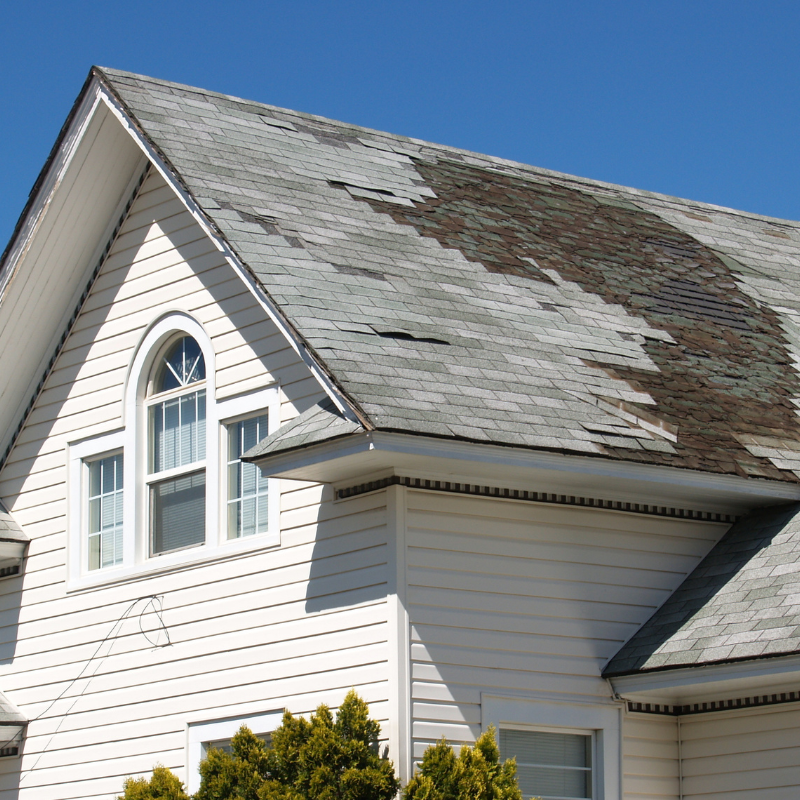
When a strong windstorm rolls through, it can leave behind more than just a mess—it can cause serious damage to your home, roof, and property. Knowing what to do next can make all the difference in protecting your home and making the insurance process as smooth as possible. Here’s a step-by-step guide from Blue Marsh Insurance to help you navigate wind damage with confidence.
1. Make Safety Your First Priority
Before anything else, make sure you and your family are safe. Stay clear of downed power lines, broken glass, or unstable structures. If your home has significant structural damage, it may be best to leave and find a safe place until it can be inspected.
2. Assess the Damage (Safely)
Once it’s safe, do a quick walkaround of your property. Look for:
- Missing or damaged shingles
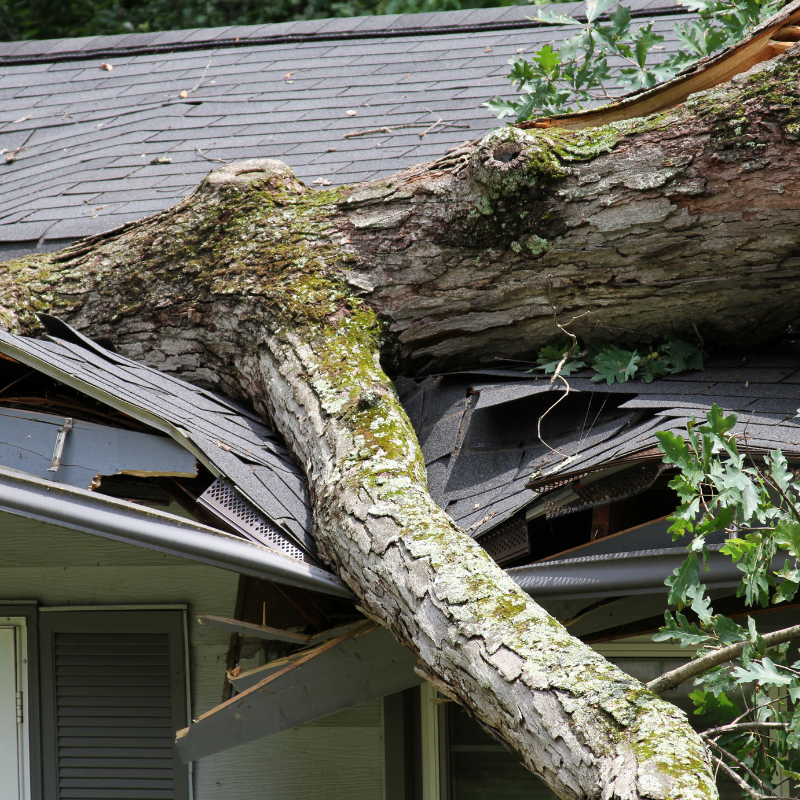
- Fallen trees or branches
- Damaged siding or gutters
- Broken windows or doors
Take note of what you see, but don’t climb on your roof or attempt any risky inspections.
3. Document Everything
Before making any repairs, document the damage thoroughly:
- Take clear photos and videos from multiple angles
- Capture both close-ups and wider shots
- Make a list of damaged items or areas
This documentation will be extremely helpful if you need to file an insurance claim.
4. Prevent Further Damage
If you can do so safely, take temporary steps to prevent additional damage. This might include:
- Tarping a damaged roof
- Boarding up broken windows
- Moving belongings away from exposed areas
Keep receipts for any materials or emergency repairs—you may be reimbursed.
5. Call Your Insurance Agent First
Before filing a claim, give Blue Marsh Insurance a call. We’ll walk you through the situation and help you decide the best next step. In some cases, it may not make sense to file a claim depending on your deductible and the extent of damage—we’re here to help you make an informed decision and understand what to expect with the process.
6. File Your Claim (If Needed)
If filing a claim is the right move, we’ll guide you through the process and make sure everything is submitted correctly. We’ll also help set expectations for timelines, inspections, and next steps.
7. Work With Trusted Contractors
After your claim is underway, you’ll likely need repairs. Be cautious of storm-chasing contractors who show up unsolicited. Here are our best tips for how to avoid getting ripped off by a bad contractor.
8. Stay Organized Throughout the Process
Keep all documents, receipts, and communication related to your claim in one place. This will make things easier if questions come up along the way.
We’re Here When You Need Us Most
Storm damage can feel overwhelming, but you don’t have to navigate it alone. At Blue Marsh Insurance, we’re here to guide you every step of the way—from your first call to the final repair.
If you’ve experienced wind damage or have questions about your coverage, reach out to our team anytime. We’ve got you covered.
A little more about Blue Marsh Insurance…
When he founded Blue Marsh, Tom Davenport wanted to create a different kind of insurance company. One that’s built on personal relationships and a local presence. One where you, the customer, feel more like a friend.
As an independent insurance agency, Blue Marsh Insurance represents a carefully selected group of financially strong, reputable insurance companies. Therefore, we are able to offer you the best coverage at the most competitive price.
If you’re interested in starting a quote online or having us take a look at your current policies, click here!
ABOUT THE AUTHOR
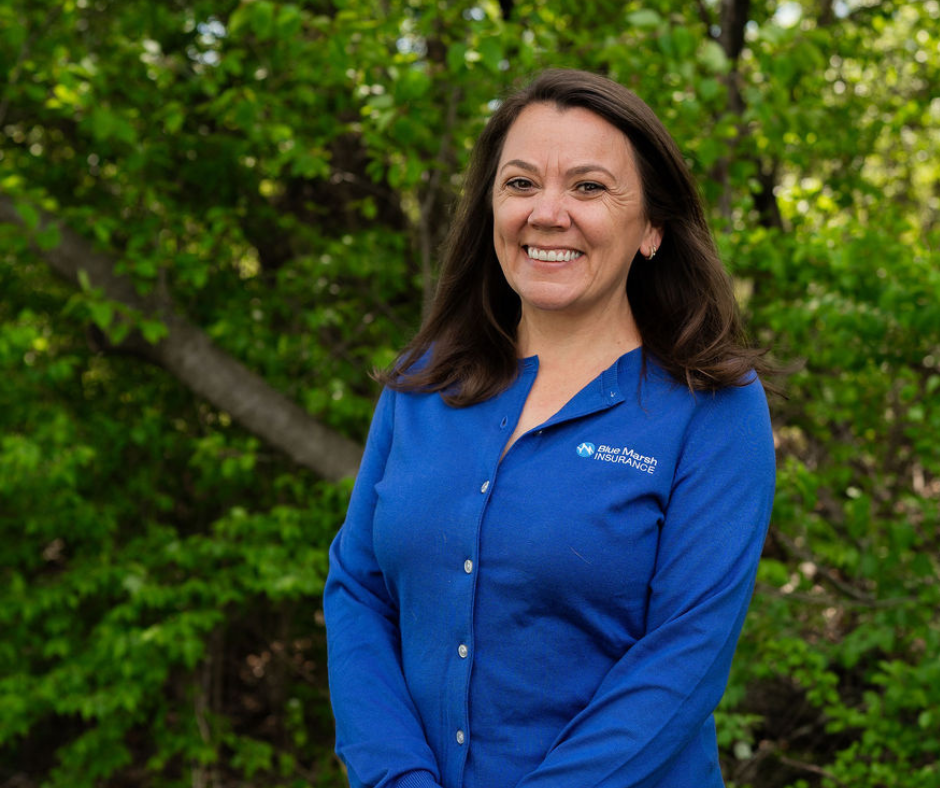
Allison McCleary is the Marketing Director at Blue Marsh Insurance, where she leads strategic initiatives focused on client growth, retention, and brand development. With more than a decade of experience in the insurance industry, Allison brings a deep understanding of both carrier and agency operations, having previously worked with Grange Insurance and supported multiple independent agencies in building high-performing marketing programs.