You’re one click away from better coverage. Start your quote with Blue Marsh today!
We can help with Medicare!

Losing a loved one is difficult enough without having to worry about insurance policies, paperwork, and unexpected bills.
But when someone passes away, what happens to their insurance? Does their homeowners insurance automatically cancel? Can a surviving spouse keep the same auto insurance policy? And what happens to their life insurance?
The answers depend on the type of insurance, who is listed on the policy, and the insurance company’s requirements.
At Blue Marsh Insurance, we understand that dealing with insurance is probably the last thing you want to do after losing someone you love. That’s why we’re breaking down what you need to know and what steps you should take to help avoid unexpected gaps in coverage.

What Happens to Homeowners Insurance When Someone Dies?
One of the biggest concerns after a death is what happens to the insurance on the deceased person’s home.
The good news is that homeowners insurance doesn’t necessarily end immediately when the policyholder passes away. However, the policy may need to be updated, and the insurance company should be notified as soon as reasonably possible.
What happens next depends on who owns the home, who is named on the insurance policy, and what will happen to the property.
If a Surviving Spouse Still Lives in the Home
If both spouses are named on the homeowners insurance policy, the surviving spouse may be able to continue coverage with a simple policy update.
The insurance company may need a copy of the death certificate and updated ownership information.
If the Home Is Part of an Estate
If the deceased person was the sole owner of the home, the property may become part of their estate.
In this situation, the executor or personal representative should contact the insurance agency to discuss how coverage can continue while the estate is being settled.
Here’s something important to know: If the home becomes vacant, the existing homeowners policy may have restrictions or exclusions that affect coverage.
For example, certain types of water damage, vandalism, or other losses may not be covered after a property has been vacant for a specified period.
If no one will be living in the home, let your insurance agent know right away. A different type of insurance policy may be necessary.
If the Home Will Be Sold or Transferred to Someone Else
The insurance company will need to know if ownership of the property changes.
Don’t assume that the deceased person’s homeowners insurance will automatically protect the new owner.
Your insurance agent can help determine when the existing policy should end and when new coverage should begin.

What Happens to Auto Insurance When Someone Dies?
Auto insurance can become a little complicated after someone passes away, especially if vehicles are still registered in their name.
Generally, auto insurance doesn’t automatically transfer to another person simply because they inherit the vehicle.
If a Surviving Spouse Is on the Policy
If the surviving spouse is also a named insured, the insurance company may be able to update the policy to reflect the change.
This may involve removing the deceased person’s name and updating vehicle registration or ownership information.
If the Deceased Person Was the Only Named Insured
If the deceased person was the sole policyholder, the executor or surviving family members should contact the insurance agency promptly.
The insurance company will need to determine whether the existing policy can remain in effect temporarily or whether a new policy is required.
Important: Don’t assume a vehicle is insured just because the premiums are still being paid.
Before anyone drives a vehicle belonging to the deceased person, verify that the driver and vehicle are properly covered.
What If the Car Won’t Be Driven?
Even if the vehicle is sitting in a garage or driveway, you may want to maintain certain insurance protections until it is sold or transferred.
Your agent can explain whether comprehensive coverage or another arrangement makes sense based on the vehicle’s status and your state’s insurance requirements.

What Happens to Life Insurance When Someone Dies?
Life insurance works differently from home and auto insurance.
Rather than protecting property, life insurance is designed to provide a death benefit to designated beneficiaries when the insured person passes away, provided the policy is in force and the claim is payable under its terms.
How Do Beneficiaries Receive Life Insurance Money?
Typically, the beneficiary will need to:
- Contact the life insurance company or insurance agent.
- Provide the policyholder’s information and a certified copy of the death certificate, if requested.
- Complete the necessary claim forms.
- Wait for the insurance company to review and process the claim.
Once the claim is approved, the death benefit is generally paid directly to the named beneficiaries.
In most cases, life insurance proceeds paid to a named individual beneficiary do not have to go through probate.
However, if the estate is named as beneficiary, no beneficiary survives, or certain other circumstances apply, the process may be different.
Is Life Insurance Money Taxable?
In general, life insurance death benefits paid to beneficiaries are not subject to federal income tax.
However, interest earned on the proceeds may be taxable, and estate taxes or other tax considerations may apply in certain situations.
For questions about taxes or estate planning, consult a qualified tax or legal professional.
What If You Can’t Find the Life Insurance Policy?
If you believe your loved one had life insurance but can’t locate the paperwork, there are several places to check:
- Bank statements for premium payments
- Employer benefit documents
- Financial planning records
- Emails or correspondence from insurance companies
- The deceased person’s insurance agent
You can also use the National Association of Insurance Commissioners’ Life Insurance Policy Locator Service to help search for policies.
What Happens to Umbrella Insurance When Someone Dies?
If the deceased person had a personal umbrella insurance policy, it’s important to review that coverage as well.
Umbrella insurance provides additional liability protection beyond certain underlying insurance policies, such as homeowners and auto insurance.
Because umbrella coverage often depends on the underlying policies remaining in force, changes to homeownership, vehicle ownership, or named insureds may affect the umbrella policy.
A surviving spouse may be able to continue coverage, but the insurance company should review the policy and make any necessary updates.
If the estate owns property or vehicles that could create liability exposure, the executor should discuss those risks with the insurance agent.

What Happens to Business Insurance When a Business Owner Dies?
If the deceased person owned a business, the situation can be more complicated.
What happens to the business insurance depends on how the business is structured, whether there are other owners, and whether the business will continue operating.
For example:
Sole Proprietorship: If the business was owned and operated by one individual, their death may create significant changes to the business’s legal and insurance status.
Partnership or Corporation: If the business has multiple owners or operates as a separate legal entity, existing insurance policies may be able to continue, depending on the circumstances and policy terms.
Business Property: Buildings, equipment, inventory, and other assets may still need insurance protection while the business is being sold, transferred, or closed.
If you’re handling the estate of a business owner, contact the business’s insurance agent and legal advisor as soon as possible.
It’s especially important to avoid gaps in liability or property coverage while ownership and operations are being sorted out.
Should You Cancel Insurance Policies Immediately After Someone Dies?
Usually, no.
One of the biggest mistakes families can make is canceling insurance policies before understanding what still needs to be protected.
For example:
- A home may still need insurance while it’s being sold.
- A vehicle may still need coverage until ownership is transferred.
- An estate may have ongoing liability exposures.
- A surviving spouse may need to update existing policies rather than cancel them.
Canceling coverage too soon could leave surviving family members or the estate financially vulnerable.
Before making changes, speak with the insurance agency to understand your options.
Insurance Checklist: What to Do After a Loved One Passes Away
If you’re responsible for handling a loved one’s affairs, here’s a helpful insurance checklist.
- Locate insurance policies. Gather homeowners, auto, life, umbrella, business, and any other insurance documents.
- Contact the insurance agency. Let them know about the death and ask what documentation is needed.
- Identify who is responsible for the estate. The executor or personal representative may need to authorize certain policy changes.
- Review property and vehicle ownership. Determine what will happen to homes, cars, and other insured assets.
- Check for potential coverage gaps. Pay special attention to vacant homes, unused vehicles, and business property.
- Review life insurance beneficiaries. Make sure beneficiaries know how to begin the claims process.
- Keep necessary premiums paid. Avoid allowing important coverage to lapse while the estate is being settled.
- Update your own insurance policies. Surviving spouses and family members may need to make changes to their coverage.
You don’t necessarily have to handle everything at once, but it’s important to address potential coverage issues before they become problems.
Can an Independent Insurance Agent Help After Someone Dies?
Absolutely. And this is one of the times when having a relationship with a local, independent insurance agency can be especially valuable.
When you’re grieving, the last thing you want is to spend hours calling multiple insurance companies, navigating automated phone systems, and trying to figure out what paperwork you need.
At Blue Marsh Insurance, our team can help you understand the policies we service, communicate with insurance carriers, and determine what changes may be necessary.
We can help answer questions like:
- Does my spouse’s insurance policy still cover me?
- Can I keep the homeowners insurance while we sell the house?
- Is my parent’s car still insured?
- Do I need a new policy now that I’ve inherited a home?
- What happens to the umbrella insurance?
- What documents does the insurance company need?
While we can’t replace an attorney or financial advisor, we can help make the insurance side of things a little less overwhelming.
We’re Here to Help You Through Life’s Difficult Moments
Insurance is about more than protecting your home, car, or business. It’s also about having someone you trust to turn to when life takes an unexpected turn.
If you’ve recently lost a loved one and aren’t sure what to do about their insurance policies, please don’t hesitate to reach out.
Our Blue Marsh Insurance team is here to answer your questions, explain your options, and help you navigate the next steps with care and compassion.
📞 Call us at 610-590-0152
You don’t have to figure out the insurance side of things alone.
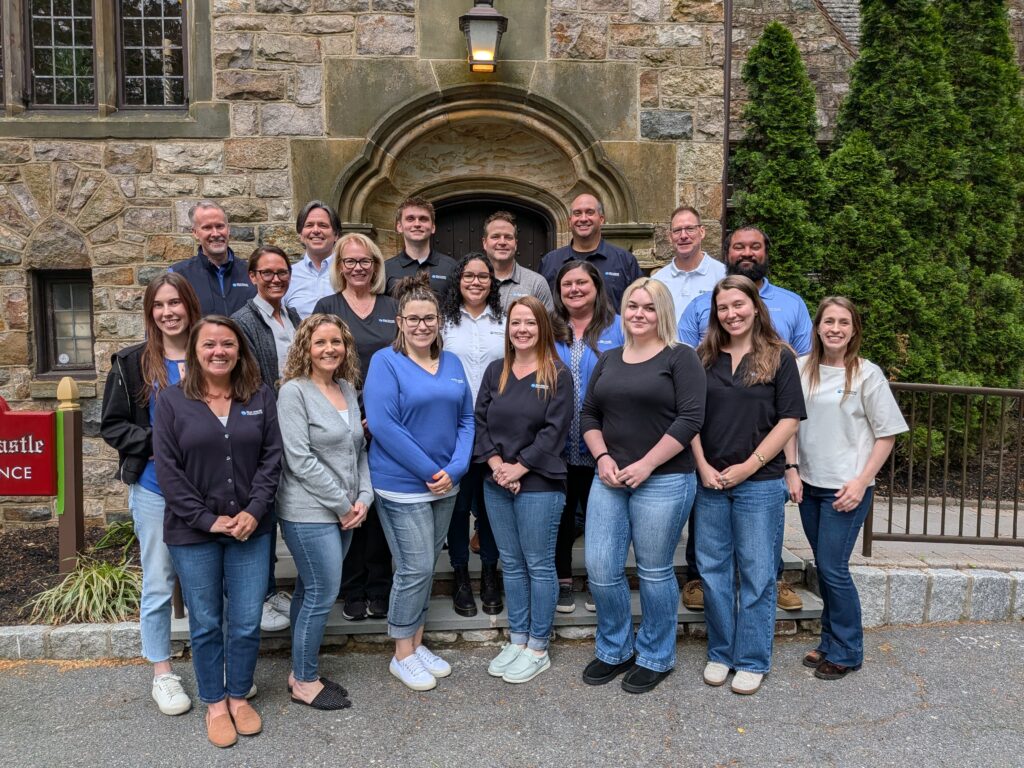
A little more about Blue Marsh Insurance…
When he founded Blue Marsh, Tom Davenport wanted to create a different kind of insurance company. One that’s built on personal relationships and a local presence. One where you, the customer, feel more like a friend.
As an independent insurance agency, Blue Marsh Insurance represents a carefully selected group of financially strong, reputable insurance companies. Therefore, we are able to offer you the best coverage at the most competitive price.
If you’re interested in starting a quote online or having us take a look at your current policies, click here!